
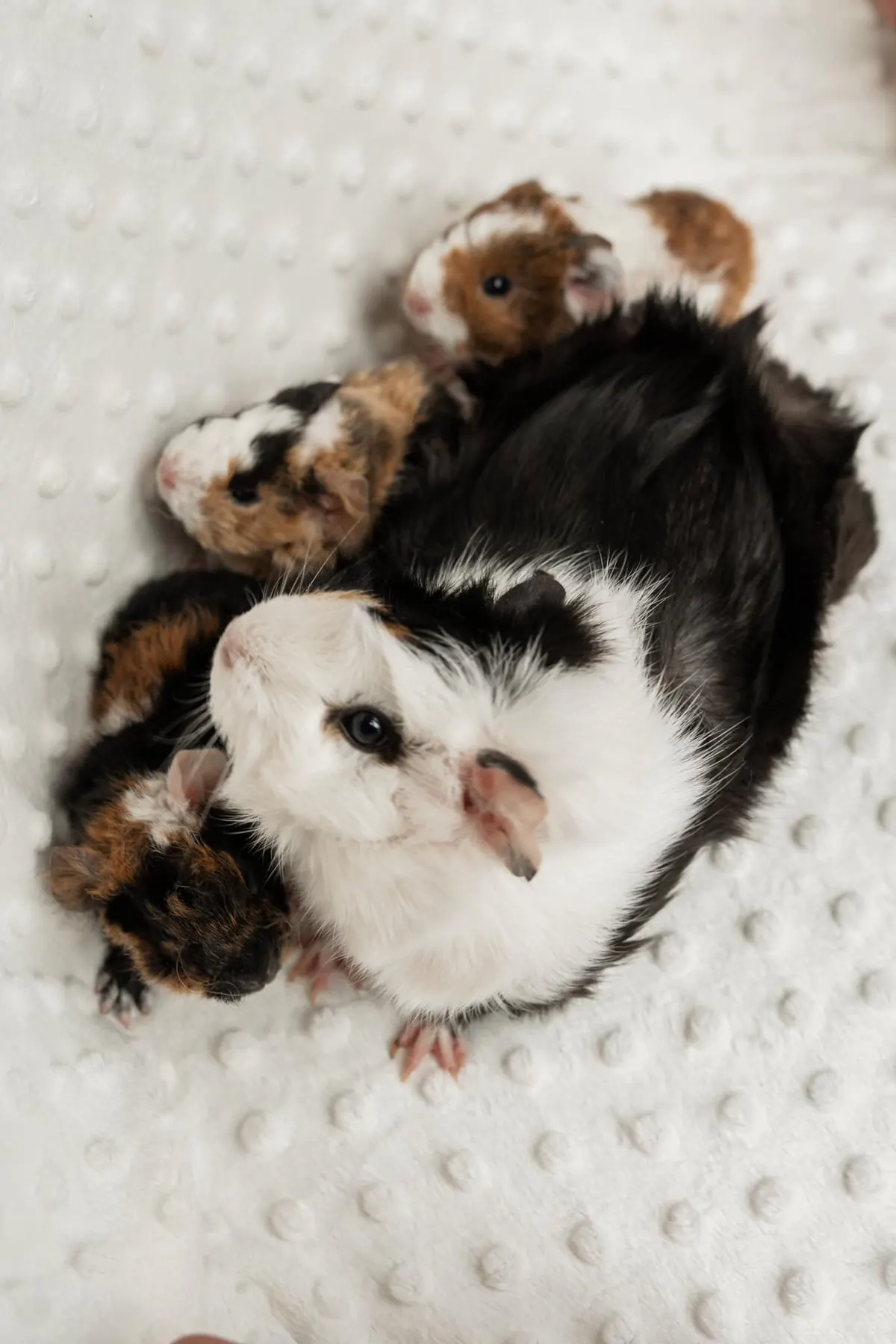
Establishing a predictable daily feeding schedule keeps your guinea pigs confident, digestive health robust, and care routines effortless.
Because guinea pigs are hindgut fermenters, their gastrointestinal tract relies on continuous, high-fiber throughput. Here is the veterinary-approved daily feeding schedule and portion rules.
The Ideal Daily Feeding Schedule
| Time of Day | Routine Care Task | Exact Quantity & Guidelines | | :--- | :--- | :--- | | Morning (7:00 AM – 9:00 AM) | Hay & Water Refresh | Fluff and refill hay racks with generous fresh Timothy hay. Empty, rinse, and refill water bottles with fresh cold water. | | Morning (With Hay) | Measured Pellets | 1/8 cup (1–2 tablespoons) of plain Timothy pellets per adult cavy. Never use muesli mixes with colored seeds. | | Midday / Afternoon | Quick Hay Check & Forage | Check that hay racks remain at least 50% full. Optional handful of fresh oat hay or orchard grass for foraging enrichment. | | Evening (5:00 PM – 7:00 PM) | Fresh Veggie Feast | 1 packed cup of washed fresh vegetables per guinea pig. Must include fresh bell pepper for daily Vitamin C. | | Bedtime (10:00 PM) | Nighttime Hay Top-Up | Ensure hay racks are completely overflowing before lights out. Cavies eat throughout the night! |
The 85% Hay Rule
A healthy guinea pig diet is not equal parts—it is overwhelmingly fibrous:
- 85% Grass Hay (Unlimited 24/7): Timothy, Orchard grass, or Meadow hay. Constant chewing wears down continuously growing teeth and prevents gut stasis.
- 10% Fresh Vegetables (1 Cup Daily): Provides natural dietary Vitamin C, hydration, and micro-nutrients.
- 5% Plain Timothy Pellets (1/8 Cup Daily): Supplements stabilized Vitamin C and trace minerals without excess calories.
Calcium Management in Fresh Greens
Rotate vegetables carefully to prevent excess calcium excreted in urine as white sludge or bladder stones:
- Safe Daily Staples: Bell peppers (all colors), Romaine lettuce, green leaf lettuce, butterhead lettuce, and cilantro.
- Moderate Greens (1–2x Weekly): Kale, spinach, parsley, dandelion greens, and broccoli.
Fresh Water Maintenance Rules
- Empty and refill water bottles daily, even if they appear mostly full.
- Clean bottle spouts with a narrow brush or pipe cleaner weekly to dislodge bacterial biofilm.
- Never put Vitamin C drops into water bottles. It degrades rapidly in daylight and alters the flavor, causing guinea pigs to drink dangerously less water.
Frequently Asked Questions About Feeding
What time of day should I feed vegetables?
Evening feeding between 5:00 PM and 7:00 PM is ideal. Guinea pigs are crepuscular (most active at twilight), so evening veggies align with their natural high-energy foraging cycle.
Can guinea pigs eat fruit every day?
No. Fruits like apples, strawberries, and blueberries are high in fructose. Feed fruit strictly as an occasional treat (1 small piece once a week) to avoid digestive upset and obesity.
What should I do if my guinea pig stops eating hay?
Refusal to eat hay is a critical veterinary emergency. It typically indicates overgrown back molar spurs (dental malocclusion) or acute GI stasis. Contact an exotic veterinarian immediately.
Sources & Scientific References
- Clinical Veterinary Advisor: Birds and Exotic Pets — Mayer, J. & Donnelly, T. (Elsevier Health Sciences, 2023)[View Source ↗]
- Nutrient Requirements of Laboratory Animals: Fourth Revised Edition — National Research Council (NRC) (National Academies Press, 1995)[View Source ↗]