
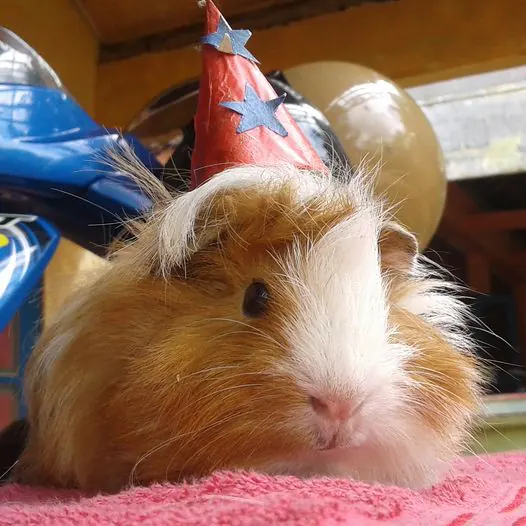
The first week with new guinea pigs lays the foundation for your long-term relationship. Because guinea pigs are prey species, novelty translates to danger in their instinctual mind.
Days 1–2: Total Settling-In & Minimal Interference
- Leave Them Be: Restrict contact to changing water, refilling hay, and supplying fresh veggies.
- Provide Safe Hideouts: Ensure each cavy has a hideout with two exits so no animal feels trapped.
- Maintain Quiet: Keep loud noise, music, and household pets away from the enclosure room.
Days 3–5: Voice Familiarization & Food Association
- Talk Softly: Speak gently while cleaning or replenishing hay so they associate your voice with safety.
- Hand-Feeding Treats: Offer long sprigs of parsley or cilantro through the cage bars. Let them take the food at their own pace.
Days 6–7: First Lap Time
- Use a soft fleece blanket or pouch to gently scoop them up supporting their bottom.
- Keep early lap sessions short (5–10 minutes) with a tasty veggie treat on hand.
Key Checklist for Week 1
- Verify daily eating and drinking.
- Monitor poop shape and quantity.
- Speak softly during every cage approach.
Sources & Scientific References
- Behavioral Adaptation and Stress Indicators in Domestic Cavies — Ransom, H. & Miller, K. (Applied Animal Behaviour Science, 2023)[View Source ↗]