
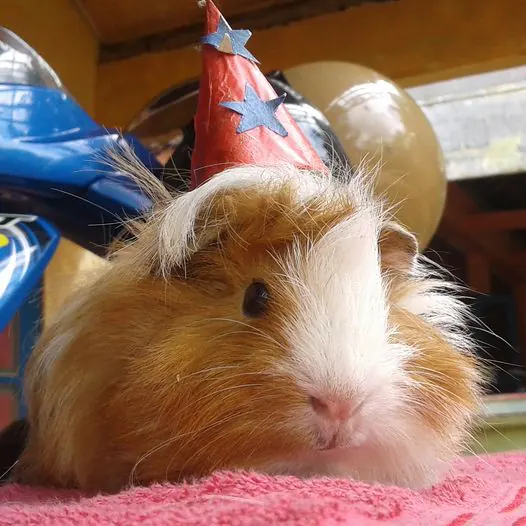
Guinea pigs communicate through a remarkably diverse vocabulary of vocal squeaks, purrs, and physical postures. Decoding their language helps you respond to their emotional state and spot stress early.
1. Primary Vocalizations Explained
📢 "Wheek! Wheek!" (Excitement / Food Request)
A loud, high-pitched whistle. Cavies rarely wheek to each other in the wild; they developed this signal specifically to request fresh veggies or hay from human owners when they hear a fridge door open or food bag rustle.
🎶 High-Pitched Purr or Chutting (Contentment)
A soft, rhythmic bubbling sound made while exploring, munching hay, or enjoying gentle chin scratches. Signals safety and relaxation.
⚡ Teeth Chattering / Clacking (Warning / Anger)
Rapid, harsh clicking of teeth. This is an explicit warning signal meaning "Back off!" or "I am agitated."
2. Fascinating Body Language
- Popcorning: Sudden jumping straight up into the air with 180-degree twists. A sign of pure joy, commonly seen in young cavies.
- Rumblestrutting: Walking slowly with a low purr and swaying hips. Used by boars (and dominant sows) to establish herd hierarchy.
- Freezing: Standing completely motionless with eyes wide. Prey defense mechanism when startled by sudden noise.
Key Takeaway
Wheeking and popcorning mean pure joy; teeth chattering and head-raising warn of annoyance or conflict.
Frequently Asked Questions About Guinea Pig Sounds
What does it mean when a guinea pig wheeks?
Wheeking is an excited vocalization reserved almost exclusively for humans. It is an affectionate demand for fresh greens, hay, or attention.
Why do guinea pigs chatter their teeth?
Teeth chattering is a clear warning sign meaning "back away." If your guinea pig chatters at your hand or another cavy, give them space to de-escalate.
Why do guinea pigs popcorn?
Popcorning—jumping and twisting erratically into the air—is an involuntary reflex of intense happiness, playful energy, and contentment.
Sources & Scientific References
- Acoustic Communication and Behavioral Signals in Domestic Cavies — Berryman, J. C. (Journal of Mammalian Behaviour, 2022)[View Source ↗]